HISTORICAL SUMMARY
Feste Kaiser Wilhelm II in Mutzig / Elsass
Prototype of modern fortfications
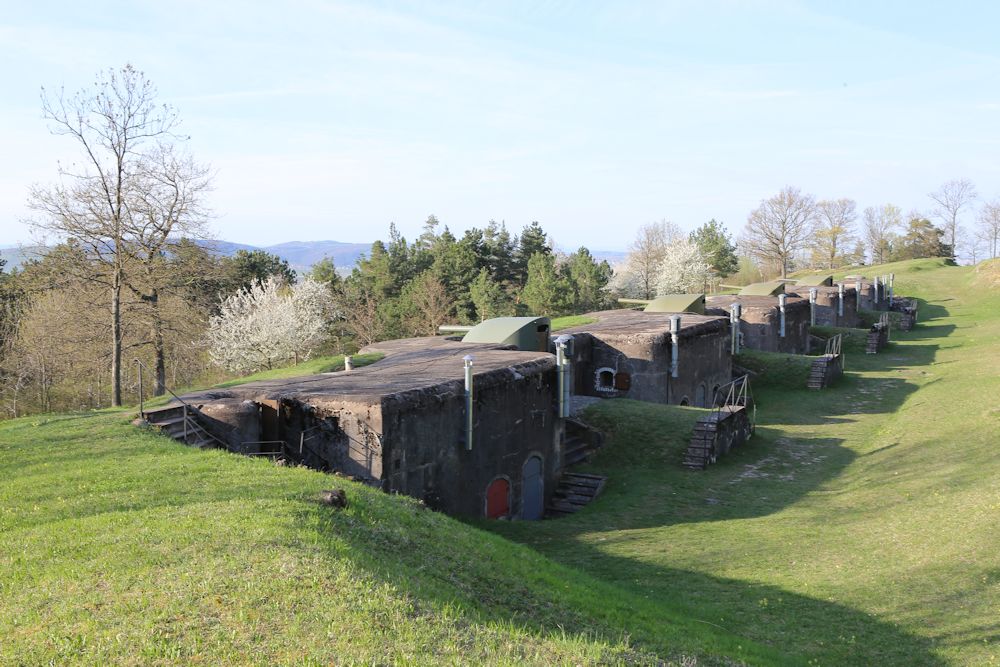
The decision to build the Fort of Mutzig was taken in January 1893 by the Emperor William II. The first construction work began in April of the same year. Along with the fortified belt of Strasburg, the fort closed off the Alsatian plain between Strasburg and the Vosges mountains, in order to hinder the enemy troops advancing from Belfort, to attack the German forces engaged in Belgium.
This German fort was the first built after the development of melinite, an explosive invented in 1885. From then on began a new era in the building of fortifications. This new explosive was much more powerful than the black powder previously used.
An imperial fortification
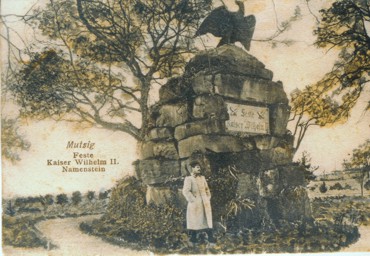
The gigantic construction site began in April 1893. La Feste received the name “Feste Kaiser Wilhelm II” in 1896. A monument called “Namenstein” was inaugurated in October of the same year, it was the only visible element of the fortress.
The Feste of Mutzig inaugurates many new techniques and equipment.
- Concrete, reinforced concrete, galvanized corrugated metal ceilings
- Iron armored turret
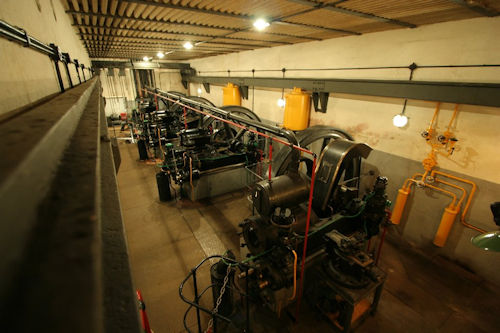
- Electricity
- The exploded fortification
- The different versions of observation
- The radio
It is undoubtedly the place of invention and the prototype of the fortifications of the 20th century: Qingdao (Tsing tau), the festen of Metz-Thionville, the Maginot Line, the Oder-Warthe Bogen, the Westwall, the Atlantic Wall, etc. are more or less the heirs.
The origin of spreaded fortification
The first plans provided for five enclosed so called “unit-forts”.
The first two forts were built, in a triangular shape which were unique in Germany at the time : the East-fort (1893) and the West-fort (1895).
The next fortifications were built on a new concept.
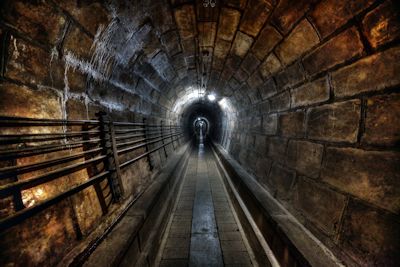
Instead of enclosing all assets in one fort, they were dispersed in many constructions connected by underground tunnels. Hence, the many components of a fort (artillery batteries, shelters, and observations posts) were less vulnerable than in a traditionally designed fort.
A large number of new techniques were inaugurated in Mutzig, some were never used again, others were adopted and became standard.
A giant fortification
In 22 years of construction, the Feste Kaiser Wilhelm II will grow to the point of becoming the largest and most powerful fortification in Europe when war was declared in 1914.
In 1914 the Feste covers 254 ha, it is made up of nearly 50 structures:
A real underground city:
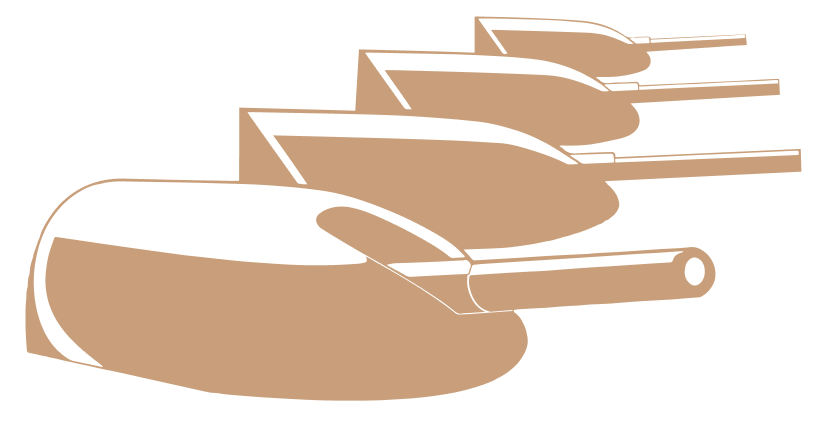
Its endowment in artillery is exceptional:
The Feste could accommodate more than 6,500 men, in August 1914 nearly 7,000 men took up residence in all of the structures.