1897 THE SPEADED FORTIFICATION
SUMMARY :
⟩ HISTORICAL INTRODUCTION
⟩ DESCRIPTION OF THE FESTE
⟩ PICTURES
⟩ GERMAN AND FRENCH FORTIFICATIONS 1870-1945
⟩ 1871 A NEW POLITICAL AND STRATEGIC SITUATION
⟩ 1871-1883 THE ERA OF DETACHED FORTS
⟩ 1883 THE BRISANCE SHELL CRISIS
⟩ 1886 REINFORCEMENTS: CONCRETE AND MANY MODIFICATIONS
⟩ 1893 THE ARMOURED FORTIFICATION
⟩ 1897 THE SPEADED FORTIFICATION
⟩ 1914 TRIAL BY FIRE
⟩ 1920-1939 DEFENSIVE LINES
⟩ 1939-1945 THE END OF FORTIFIED SYSTEMS
The spreaded fortification “Feste”
The architecture of the fortresses was challenged around 1995 by the development of aerial observation devices, tethered balloons and airships. In fact, the trenches surrounding the unified forts could be easily seen from the air and thus calculate the coordinates of the fort.
It had become impossible to concentrate all the organs of a fort in a single structure, regardless of its level of protection.
The organization and architecture of the fortifications had to be thoroughly rethought.
The precursor: the Feste Kaiser Wilhelm II
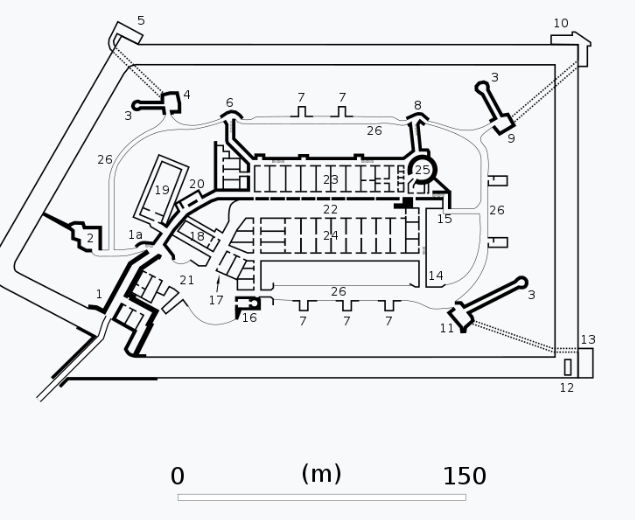
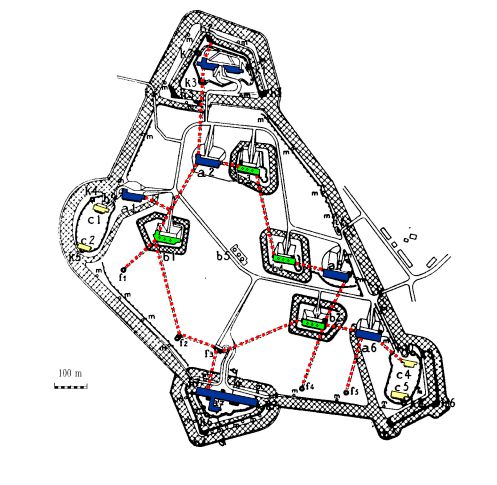
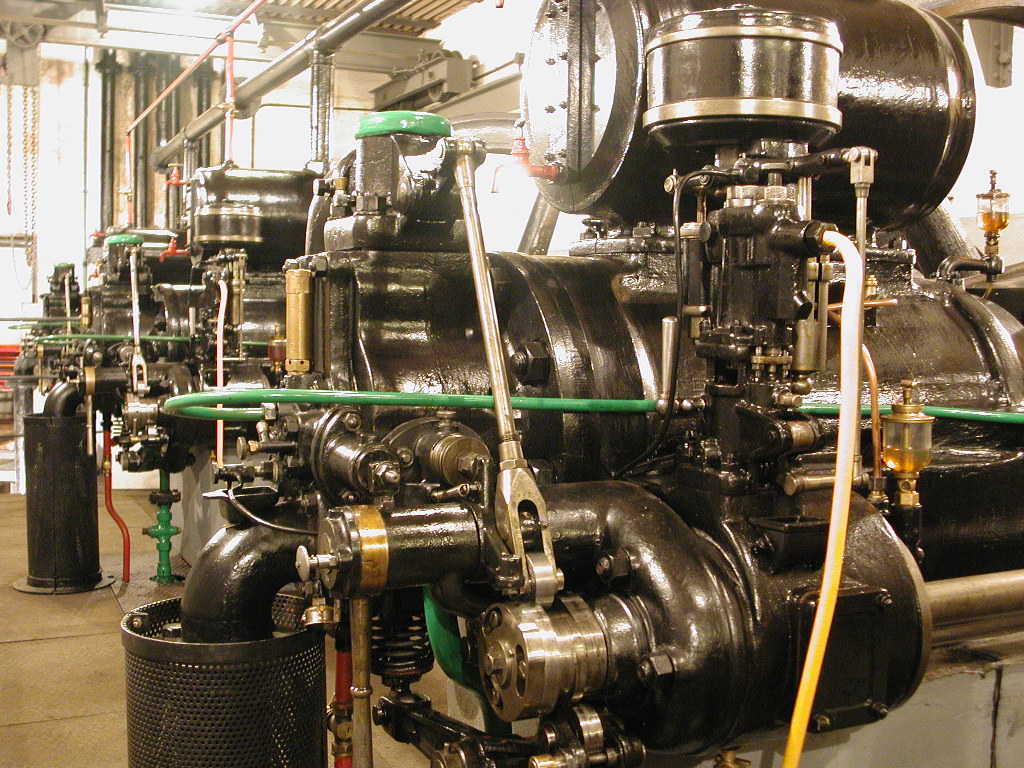
Tests conducted at the Feste Kaiser Wilhelm II led to the adoption of the minimal embrasure but highlighted the need for electric ventilation. This explains why the first two forts in Mutzig will be equipped with the very first power plants. The response imagined around 1897 during the planning of the third fort at Mutzig was to remove the moat that surrounded a fort. Thus opened the way to the fragmented fortification, called “Feste” in Germany, which consists of building much smaller structures which, each carrying a function, are distributed over the available land and which are connected to each other by long underground galleries electrically lit.
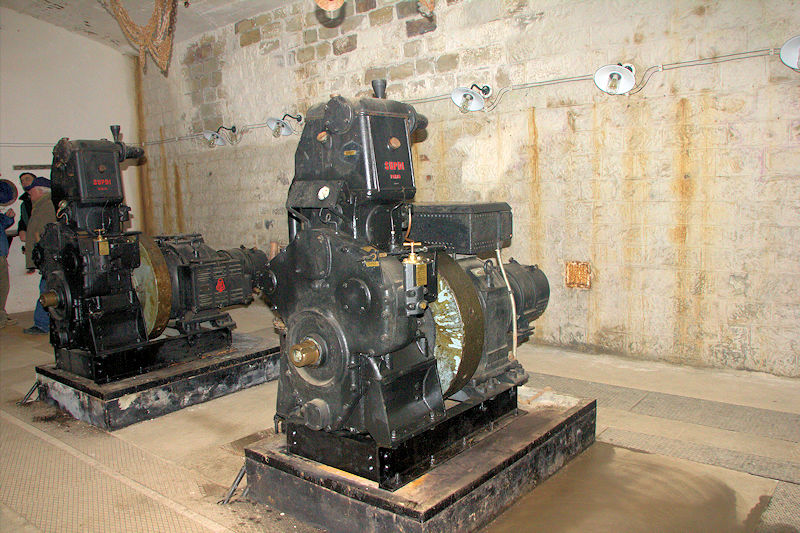
The Festen will have a power plant, the Feste Kaiser Wilhelm II on the other hand has 4 power plants.
Electrification gradually spread to all on-board systems: ventilation, lighting, including arc searchlights for machine gun casemates, telephones, ozone machines, mechanical kneading machines, automatic filling of water tanks and a world first: long-distance radio transmission in 1898 between Strasbourg and the Kaiser Wilhelm II Feste.
In France
Budgetary constraints and political disputes prevented the construction of a new generation of fortifications, as in Germany. The reinforcement and armor of existing forts was the rule.
In Germany
The construction of the Feste Kaiser Wilhelm II, the prototype of the Feste and experimental fortification, paved the way for a new generation of fortifications, the “Festen”, around Metz and Thionville.
Lessons from the Russo-Japanese War of 1904
Die Belagerung und der Angriff der japanischen Armee auf Port Arthur, eine russische Festung aus Stahlbetonkonstruktionen und metertiefen Galerien, stellten diese neuen Techniken auf die Probe des Feuers.
A meniscus detachment (later dubbed the Hopkinson effect) occurred under massive artillery fire, causing the crews to panic and surrender even though the roof had generally resisted. Some galleries on the right foot collapsed due to the action of soil compaction during the bombardment. Finally, the Japanese used attack mines when countermines had been declared useless.
Improvements introduced in response to these learnings
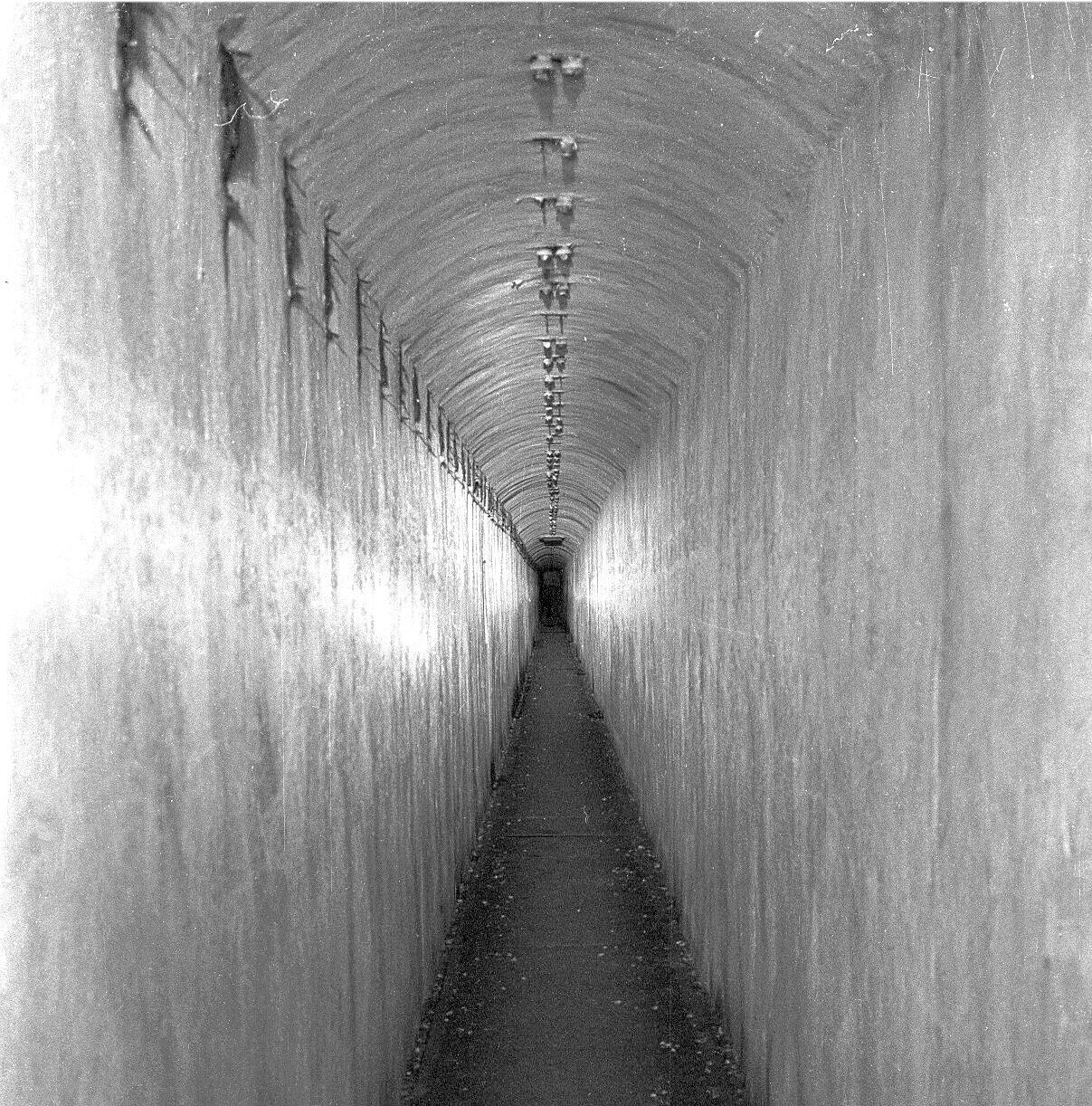
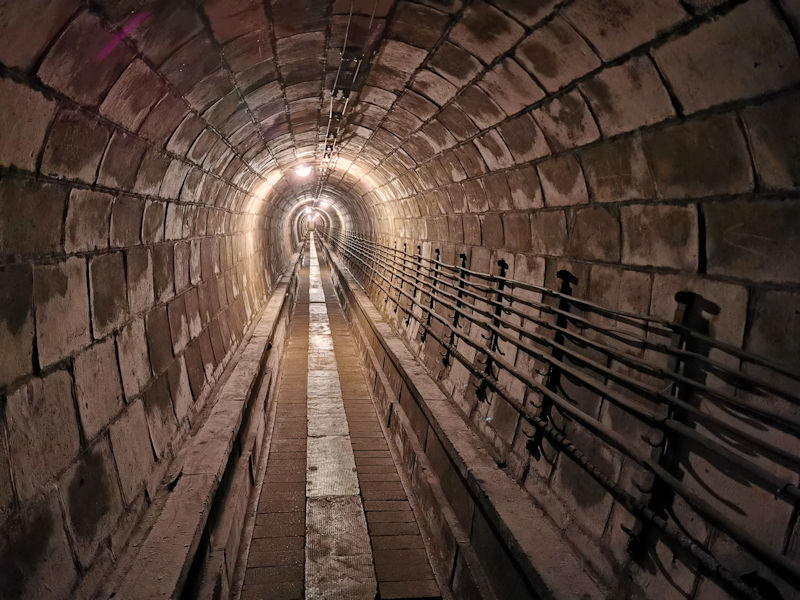
An ovoid gallery is based on the keystone principle used to build vaults. An ovoid gallery withstands lateral pressure.
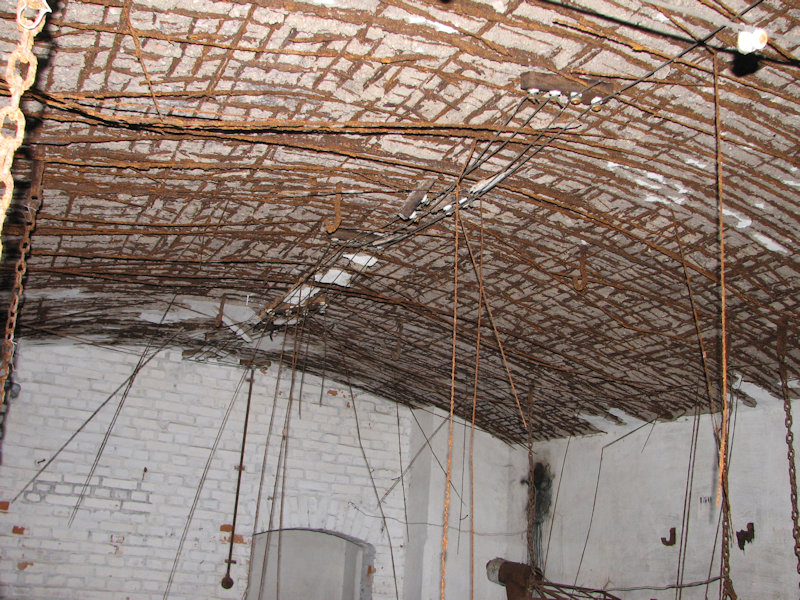
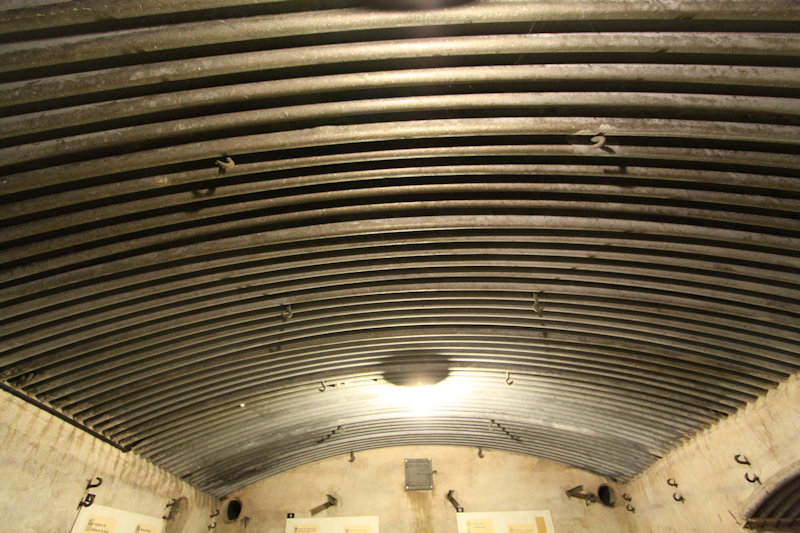
Corrosion is enough to severely damage the ceilings of reinforced concrete structures. Galvanized corrugated iron, used from 1912 onwards, prevents this disintegration.
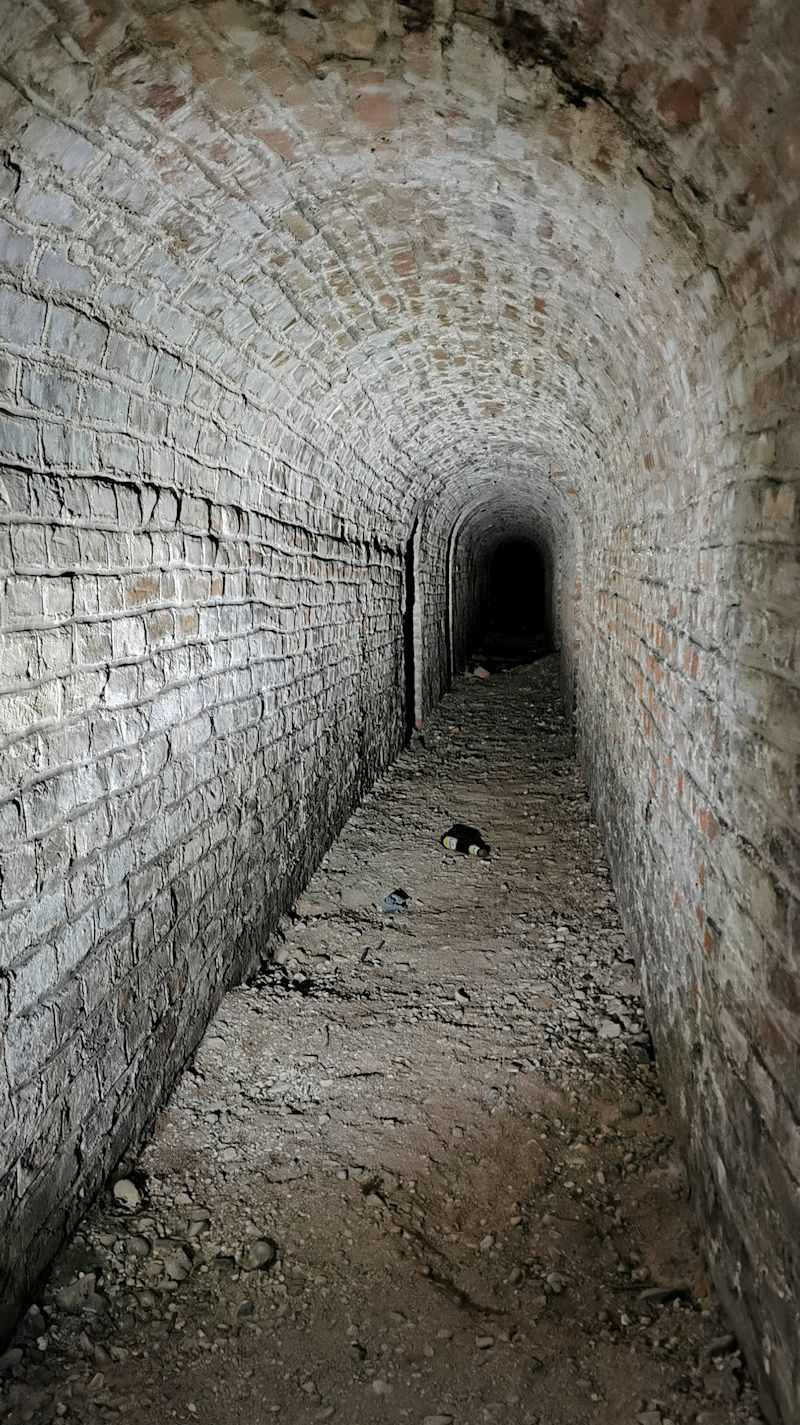
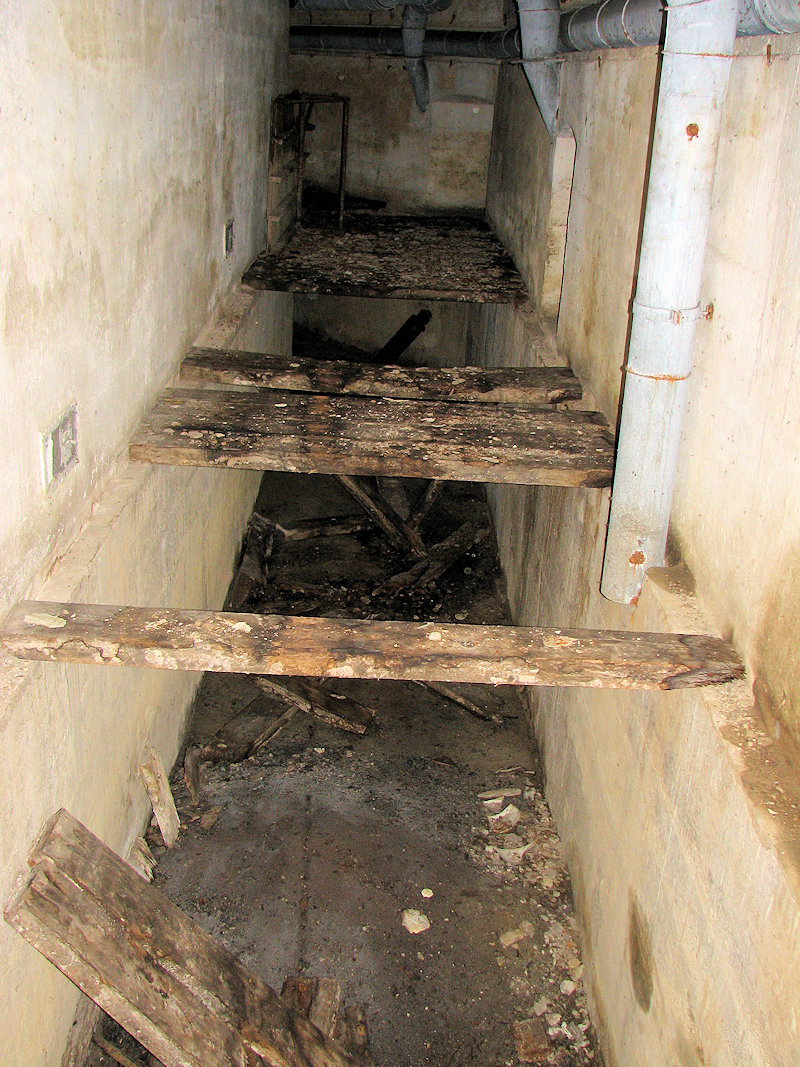
The forts of the 1872-1980 generation were still equipped with conventional counter-mining galleries. After 1910, the Festen received structures that allowed them to dig such tunnels under enemy fire. The removable floor allows the materials to be poured into the pit. Several tunnels have been set up, and the excavation itself is left to the initiative of the commander of the fort.
The final developments before the 1914-18 war
In France
Intervals are reinforced
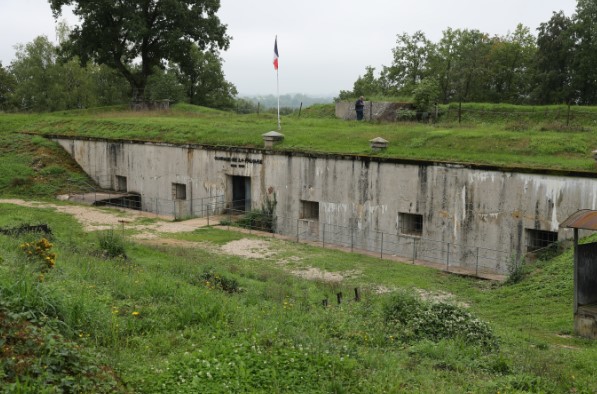
The most exposed strongholds were modernised from 1908 onwards, but the lack of budget greatly delayed these projects, with the construction of numerous small structures entirely made of concrete, sometimes forming centres of resistance comprising several structures.
In Germany
Two parallel concepts
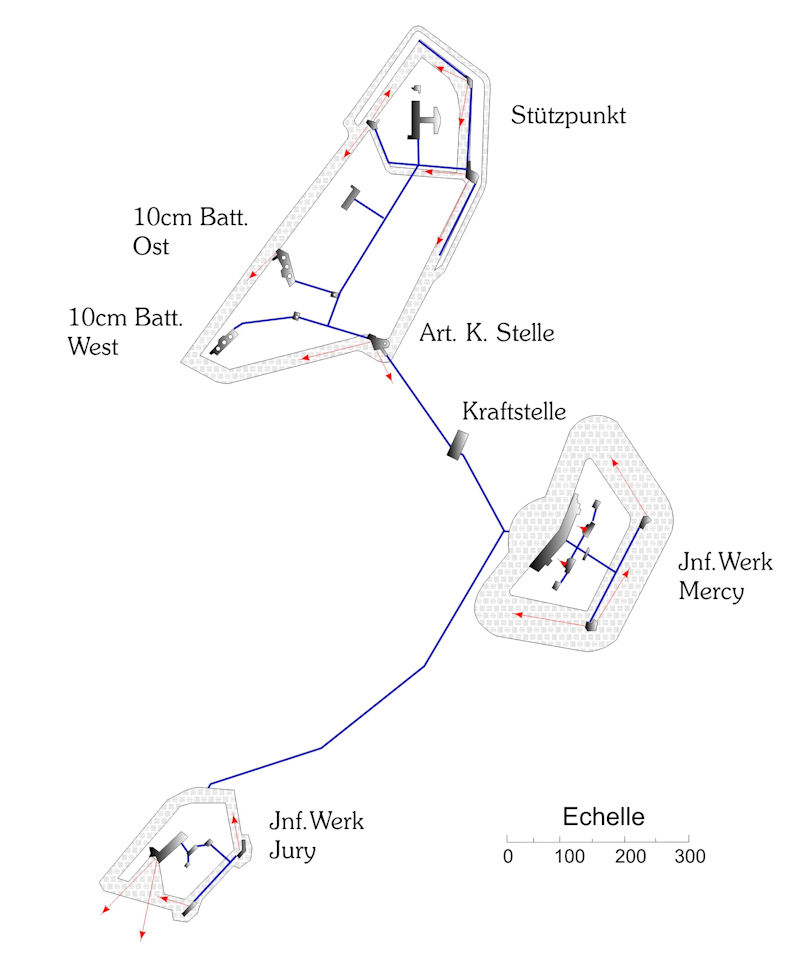
The Feste von der Golz (1907-1916) was not completed. It has a tunnel more than 3 kilometres long that connects all the works, batteries, observatories, command post equipped with an elevator, power plant, infantry works and flanking organs. This gallery runs parallel to the defensive line and prefigures the German fortifications of 1936
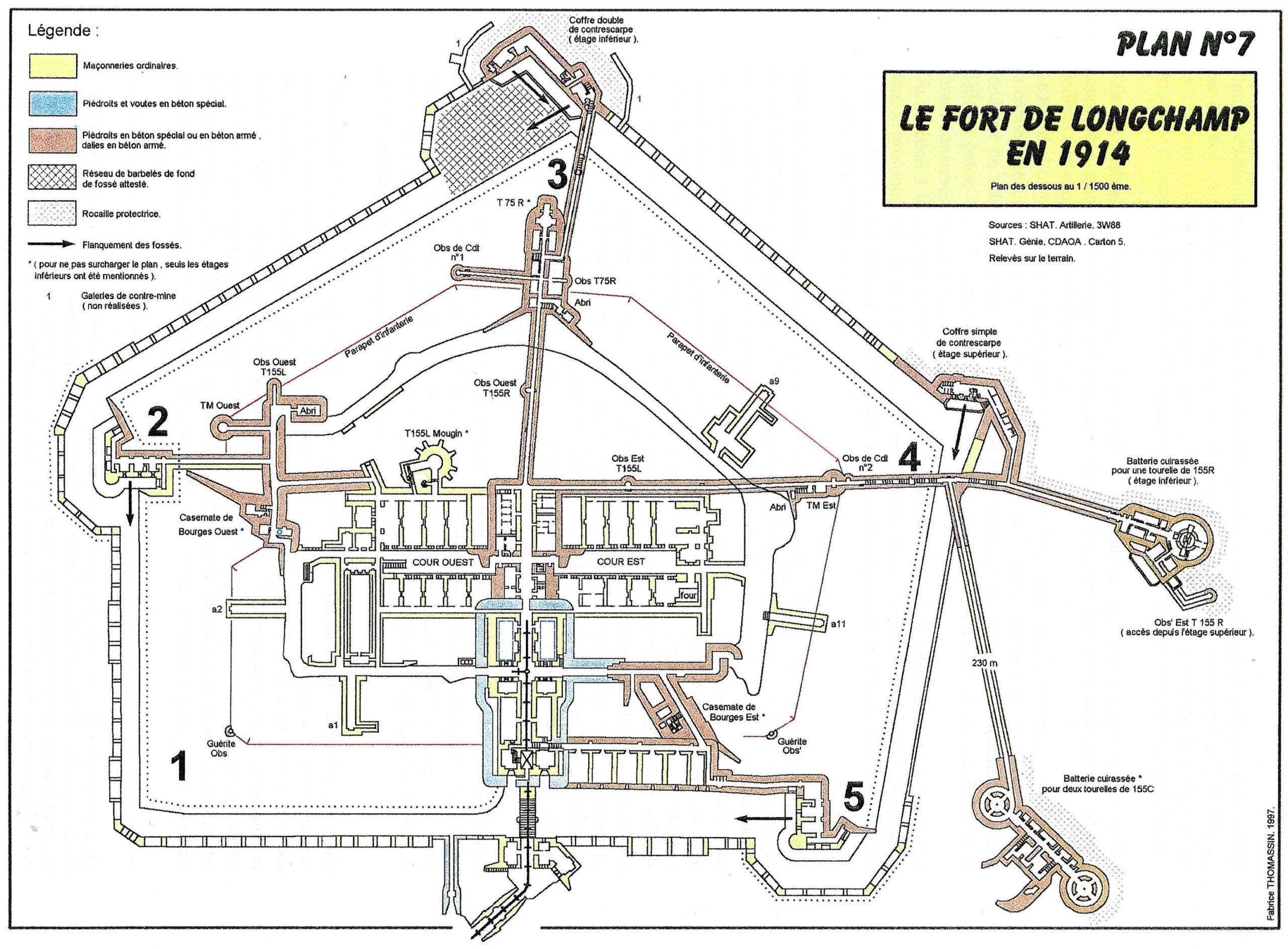
The Fort de Longchamp can be considered the most modern in France before the First World War. But still coming from a strong massfort surrounded by a moat, it is far too concentrated to offer any reasonable defensive capability. Insufficient artillery resources in quantity and range of action, the absence of efficient means of observation and electrification further widened the gap with the German festen.
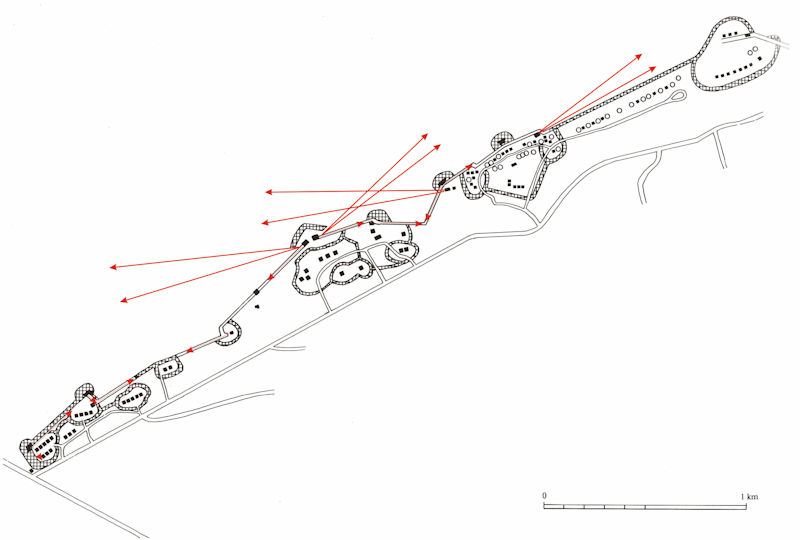
The position of the Horimont (1912-1916) was a defensive line in depth, with no large works, no power plant, no artillery turrets. On the other hand, many chests armed with 7cm cannons and/or machine guns form an extremely well-defended defensive line for a much lower cost than a Feste.