1883 THE BRISANCE SHELL CRISIS
SUMMARY :
⟩ HISTORICAL INTRODUCTION
⟩ DESCRIPTION OF THE FESTE
⟩ PICTURES
⟩ GERMAN AND FRENCH FORTIFICATIONS 1870-1945
⟩ 1871 A NEW POLITICAL AND STRATEGIC SITUATION
⟩ 1871-183 THE ERA OF DETACHED FORTS
⟩ 1883 THE BRISANCE SHELL CRISIS
⟩ 1886 REINFORCEMENTS: CONCRETE AND MANY MODIFICATIONS
⟩ 1893 THE ARMOURED FORTIFICATION
⟩ 1897 THE SPEADED FORTIFICATION
⟩ 1914 TRIAL BY FIRE
⟩ 1920-1939 DEFENSIVE LINES
⟩ 1939-1945 THE END OF FORTIFIED SYSTEMS
1883 The Shattering Shell Crisis
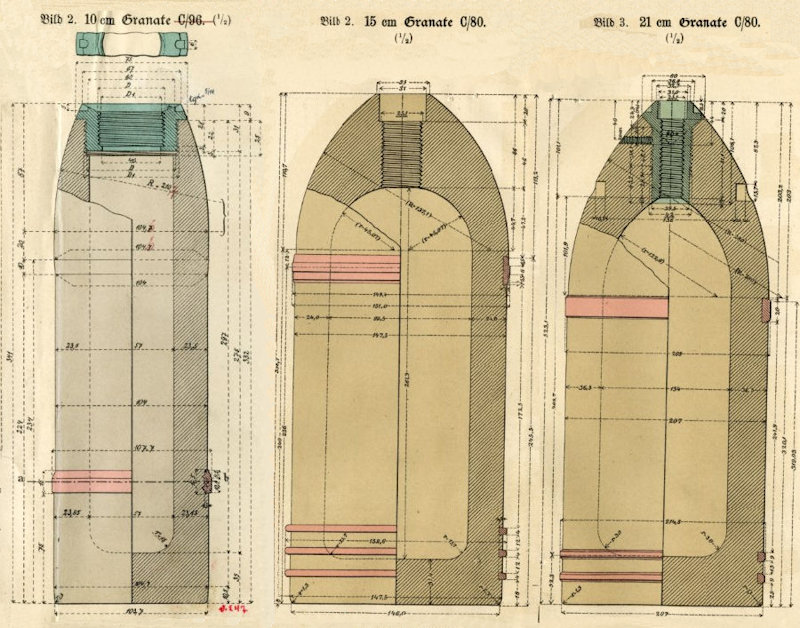
Technical progress in artillery, rifled guns, breech loading and then in terms of powder, fulmicotton, melinite, etc. will have a huge impact on fortification concepts and techniques.
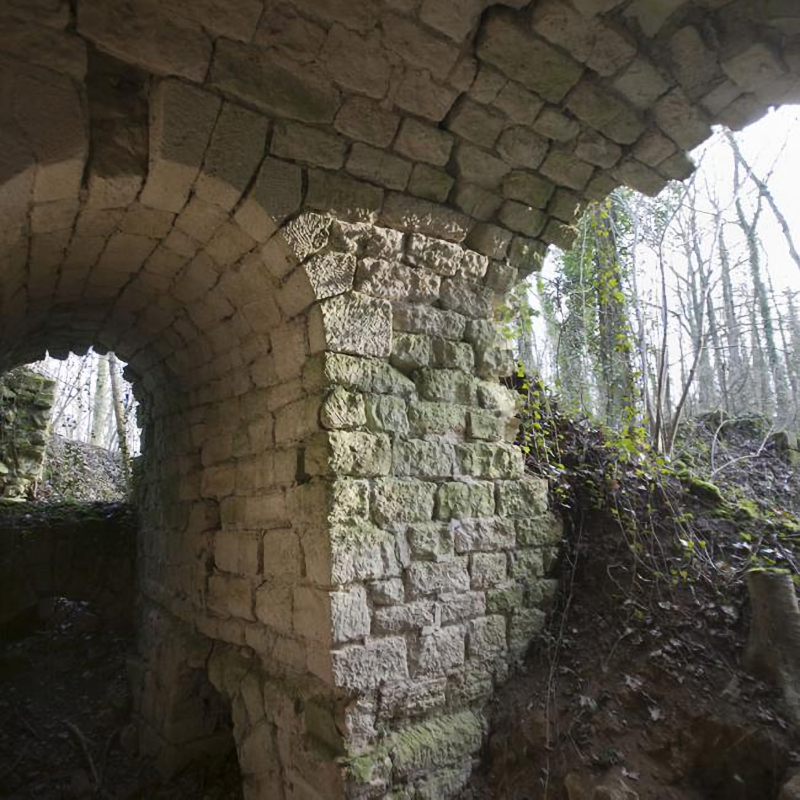
In particular, the discovery of melinite triggered a huge fortification crisis. Tests on some forts or shooting ranges will show the total obsolescence of the forts built since 1871.
1881-1886 The brisance shell crisis
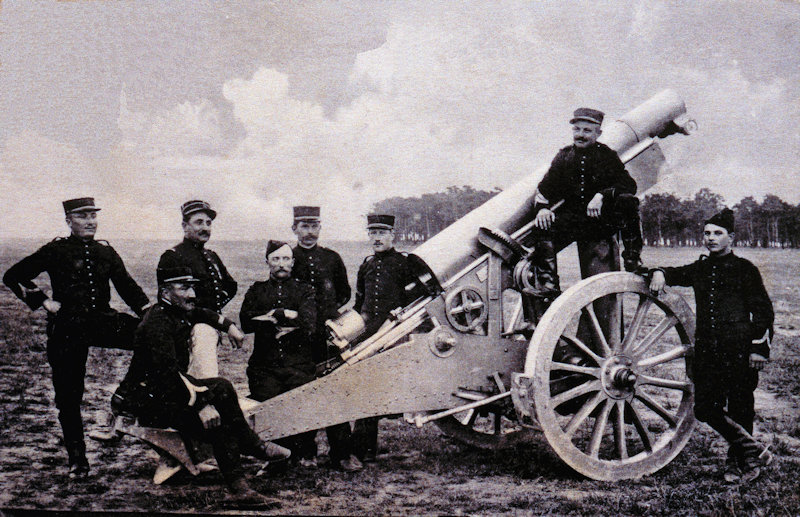
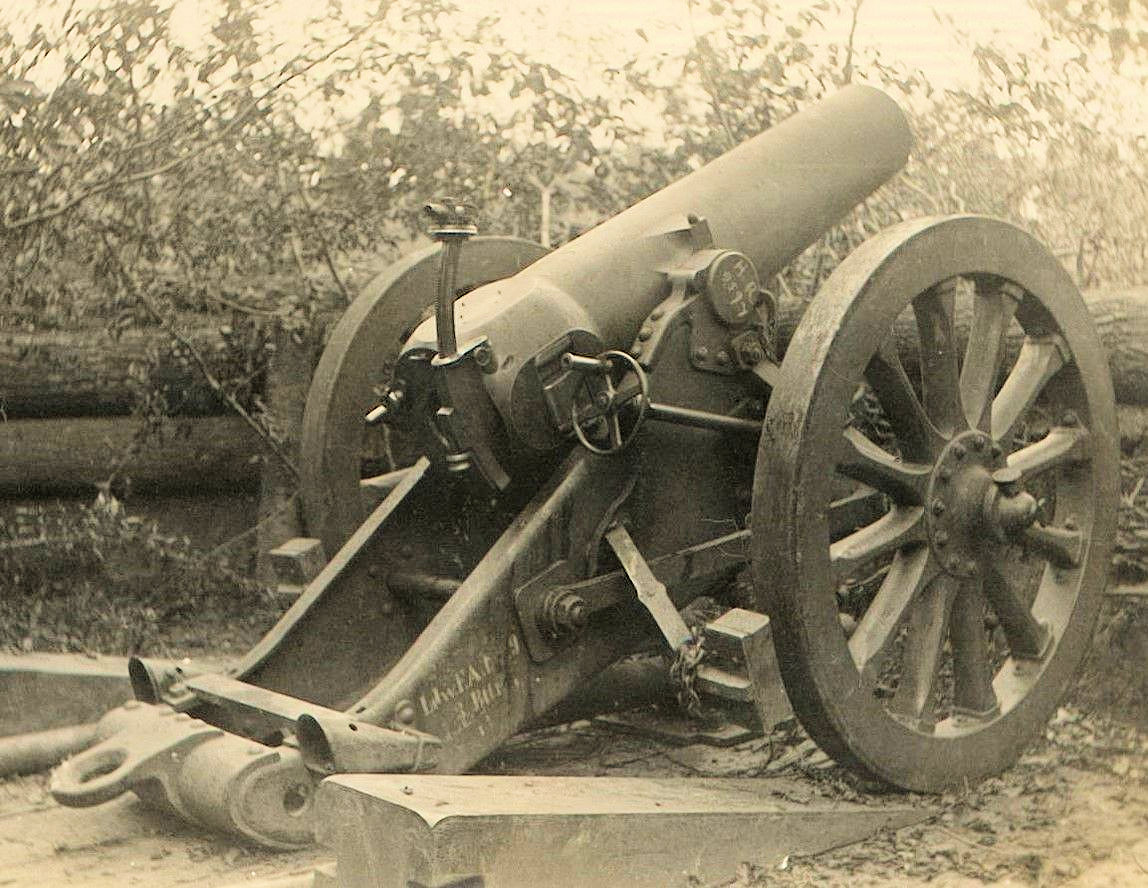
In 1883, Eugène Turpin (1848-1927), a French chemist, discovered the explovsive properties of melinite (picric acid pressed in cotton). This melinite is much more potent than black powder, it gives off significantly less smoke and even works when wet. This new explosive was soon used to replace black powder in artillery projectiles: a new generation of cannons capable of firing brisance shells was born. The works, some of which were barely completed, were unable to last more than a few days when exposed to the fire of these new shells. The impressive fortifications park is completely obsolete!