1871-183 THE ERA OF DETACHED FORTS
SUMMARY :
⟩ HISTORICAL INTRODUCTION
⟩ DESCRIPTION OF THE FESTE
⟩ PICTURES
⟩ GERMAN AND FRENCH FORTIFICATIONS 1870-1945
⟩ 1871 A NEW POLITICAL AND STRATEGIC SITUATION
⟩ 1871-1883 THE ERA OF DETACHED FORTS
⟩ 1883 THE BRISANCE SHELL CRISIS
⟩ 1886 REINFORCEMENTS: CONCRETE AND MANY MODIFICATIONS
⟩ 1893 THE ARMOURED FORTIFICATION
⟩ 1897 THE SPEADED FORTIFICATION
⟩ 1914 TRIAL BY FIRE
⟩ 1920-1939 DEFENSIVE LINES
⟩ 1939-1945 THE END OF FORTIFIED SYSTEMS
1872 The Era of Detached Forts
Several fortified towns were besieged during the war of 1870: Belfort, Bitche, Metz, Paris, Péronne, Phalsbourg, Sedan and Strasbourg.
The bombardment of fortificaions, often more than a hundred years old, has highlighted their obsolescence and caused significant destruction within the cities themselves. The innovative ideas of Marc-René, Marquis de Montalembert (1714-1800), set out in his major work published in 1776 to 1778 “La fortification perpendicular”, were thus clearly demonstrated and inspired many fortified systems built after the war of 1870.
1872-1883 The french fortification system 1870-1883
The Defence Committee was created in 1872. It was made up of the Minister of War and senior military personalities, including engineers and artillery. General Raymond Adolphe Séré de Rivières (1815-1895), a military engineer, was appointed secretary of the committee in 1873 and then director of the Engineering Service in 1874. He developed the new concept of border defence against Germany and Italy: the defensive lines known as the `”Séré de Rivières”. A continuous line of strongholds, forts, and works about 3 km apart to provide mutual flanking. The strongholds are surrounded by a belt of detached forts about 6 to 8 km from the city. Les places fortes sont entourées d’une ceinture de forts détachés distants d’environ 6 à 8 km de la ville.
1873-1884 The Detached Fort Belts “von Biehler”
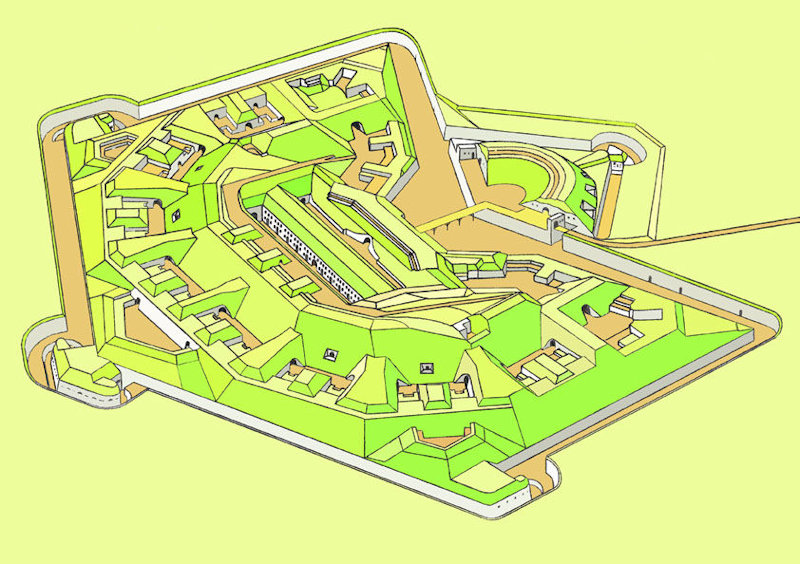
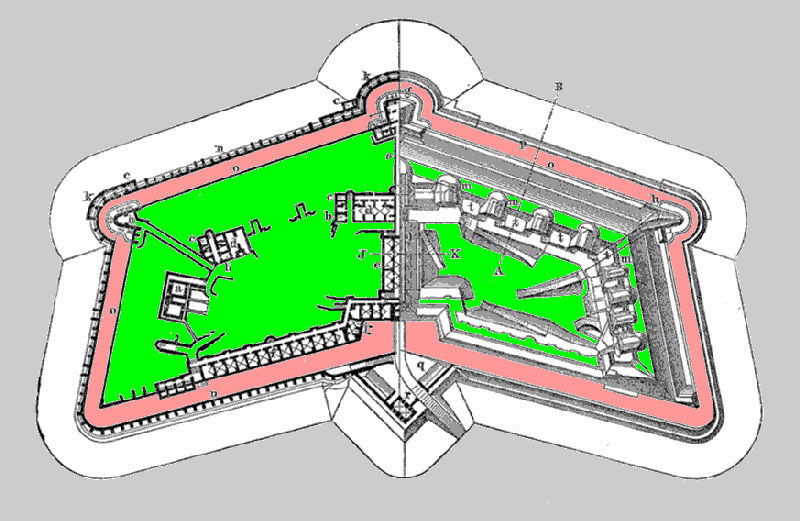
Hans Alexis von Biehler (1818-1886) served as Director and then Inspector General of the Imperial Fortifications Service from 1873 to 1884. Germany will equip its principal strongholds with belts of detached forts. These belts are made up of “Biehler Fort”, built according to a neo-bastioned plan with a few variations, about 3 km apart to ensure a reciprocal flank, at a distance of about 6 to 8 km from the city.
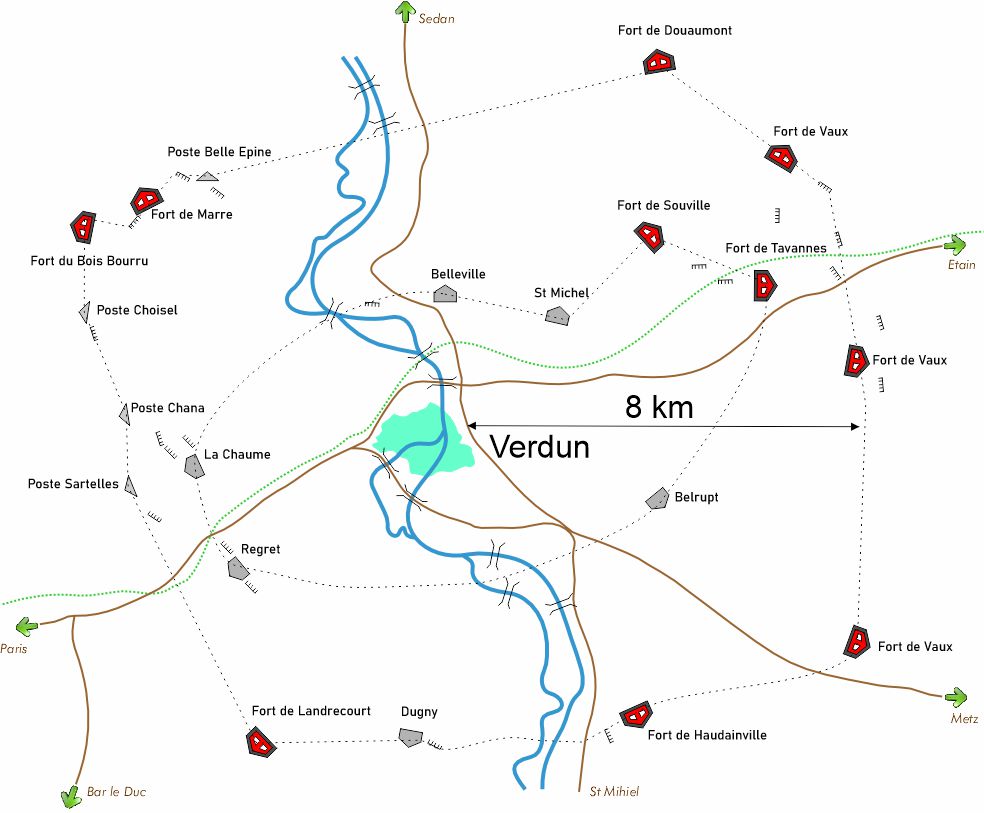
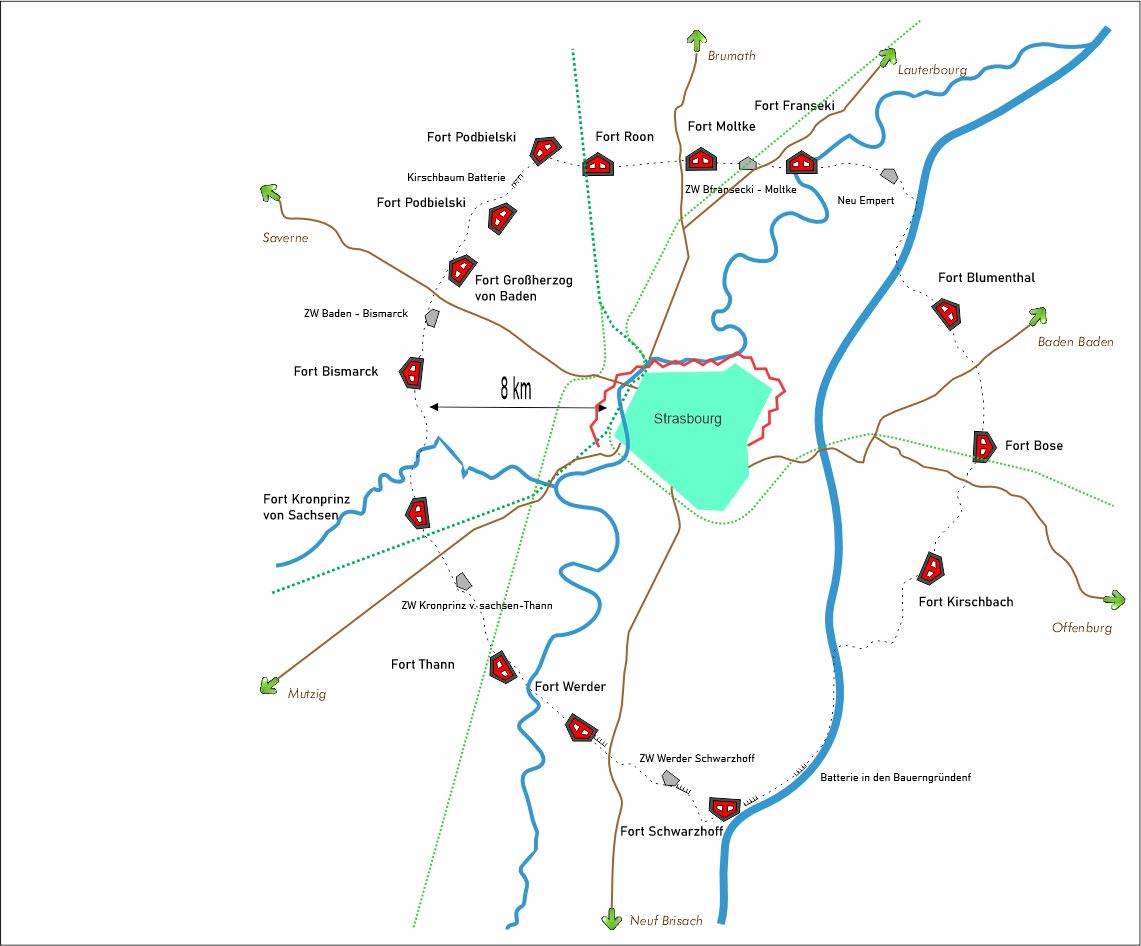
Continuity of technology and architecture
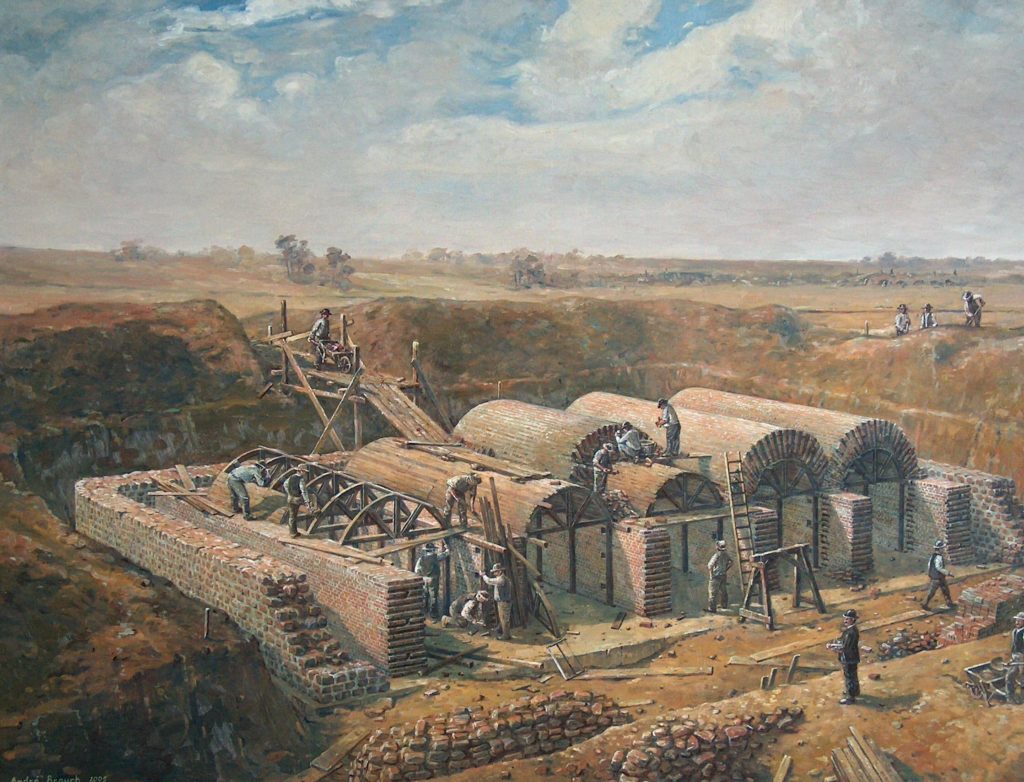
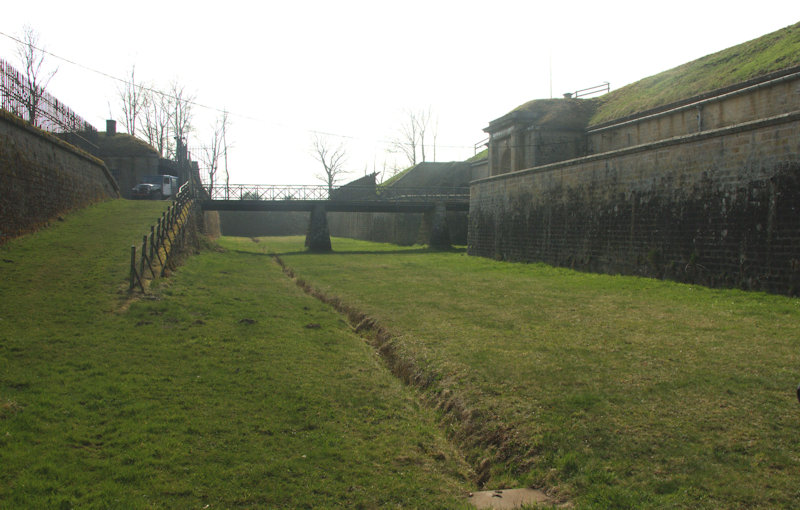
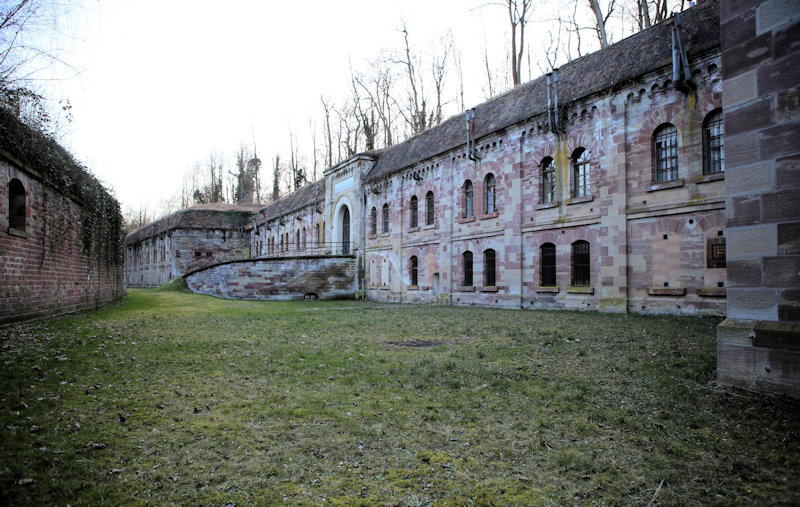
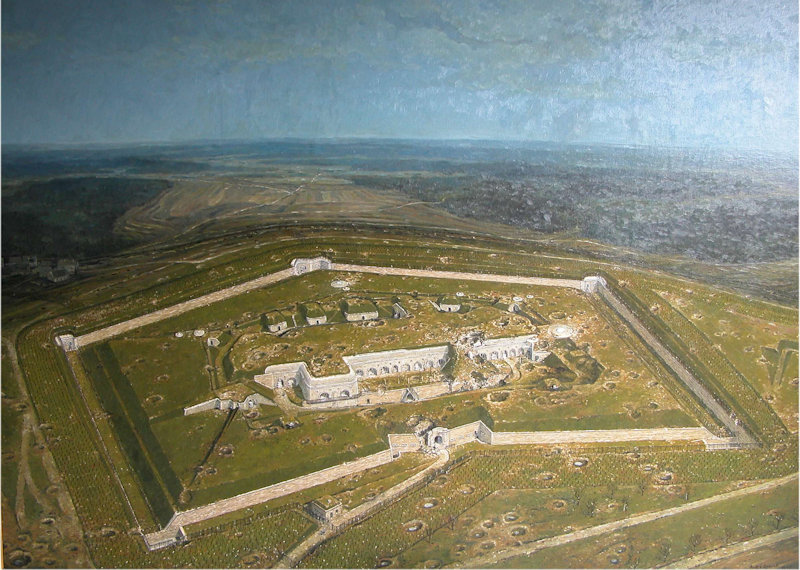
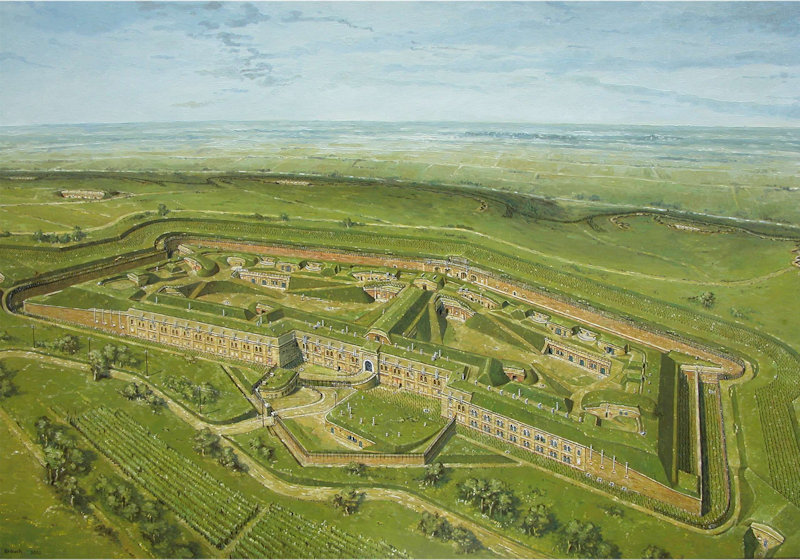
The structures are built using traditional techniques: ashlar, brick and earthen blocks. The artillery was installed on the top of the works, in the open air. The structures are always surrounded by dry or wet ditches depending on the topographical location.
The similarity of the concepts and plans of this generation of forifications is remarkable.
André Brauch
André Brauch
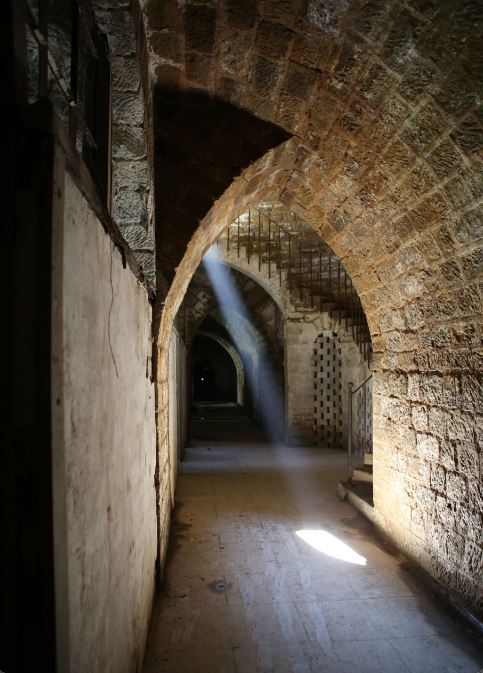
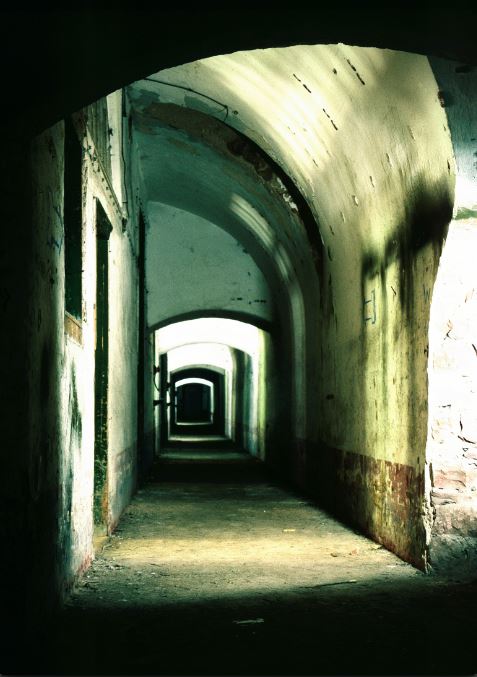
These forts are built using traditional techniques. The main materials are ashlar and brick.