1939-1945 THE END OF FORTIFIED SYSTEMS
SUMMARY :
⟩ HISTORICAL INTRODUCTION
⟩ DESCRIPTION OF THE FESTE
⟩ PICTURES
⟩ GERMAN AND FRENCH FORTIFICATIONS 1870-1945
⟩ 1871 A NEW POLITICAL AND STRATEGIC SITUATION
⟩ 1871-1883 THE ERA OF DETACHED FORTS
⟩ 1883 THE BRISANCE SHELL CRISIS
⟩ 1886 REINFORCEMENTS: CONCRETE AND MANY MODIFICATIONS
⟩ 1893 THE ARMOURED FORTIFICATION
⟩ 1897 THE SPEADED FORTIFICATION
⟩ 1914 TRIAL BY FIRE
⟩ 1920-1939 DEFENSIVE LINES
⟩ 1939-1945 THE END OF FORTIFIED SYSTEMS
1939-1946
The world is changing
The main purpose of the fortifications, which was to block obligatory crossing points, gradually lost its importance. The rapid technical progress of aviation and all-terrain vehicles dealt a decisive blow to their usefulness. Enormous advances in artillery, deep-piercing shells, the development of hollow-charge shells and increasingly large calibers, but also in air and off-road attack capabilities made construction costs absolutely prohibitive. Fortified systems have become extremely complex, requiring highly specialized crews to serve.
The fortifications will become counterproductive by fixing many men who will be lacking where the course of the war requires reactive operational means. They swallow up disproportionate technical and financial resources, and their armaments and their level of protection are at risk of rapid obsolescence. The training of men is strongly impacted by a purely defensive vision and ultimately gives an illusory feeling of security.
The Progress of Artillery
The armaments industry continued its research to improve the performance of guns, increase the caliber, invent the hollow charge or shells with delay to reach underground targets, etc.
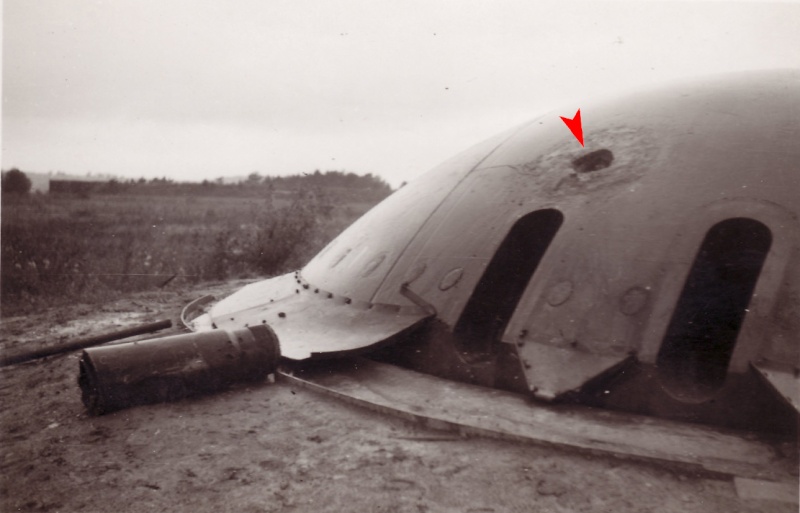
On September 3, 1939, two days after the German army invaded Poland, France declared war on Germany. The mobilization is underway, the Maginot Line is activated, and… No military action was initiated, the “phoney war” began. On 10 May 1940, the German attack began in Belgium, which, as in 1914, sought to bypass the French defensive lines (the Maginot Line), with the attack on the fort of Eben-Emael in Belgium by airborne troops. It was taken in less than 24 hours by 85 paratroopers who used hollow charges to destroy the artillery turrets. The gateway to the Ardennes was opened, and three armoured divisions commanded by General Heinz Guderian broke through the front around Sedan. The Battle of France lasted only 6 weeks until the ceasefire of June 25, 1940.
The arms race
The conflict is gradually becoming globalized. The war economy is imposed on all belligerents. Extensive armaments research programmes were launched. The results are spectacular.
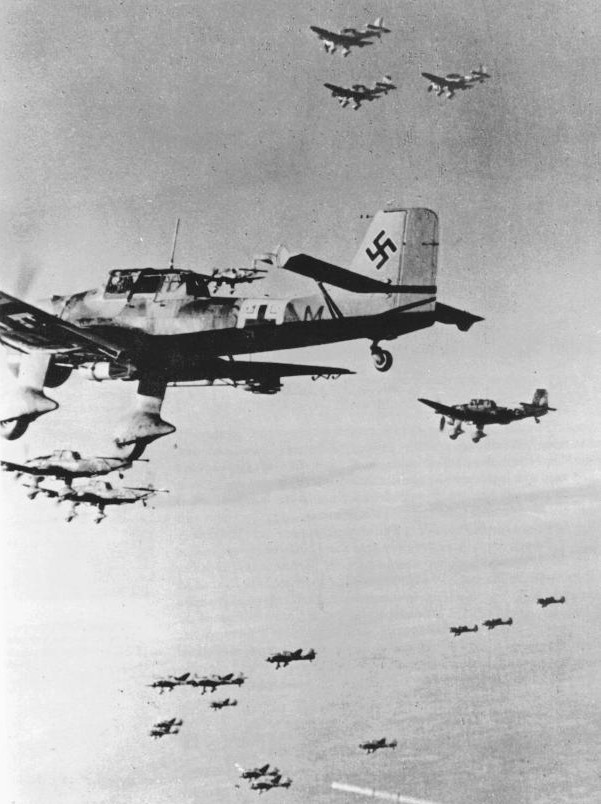
German dive bombers are designed to precisely place bombs on their target. They played a very important role in the Blitzkrieg.
The Junkers Ju 87 “Stuka” could carry a 500 kg bomb. A total of 6,500 examples of all models were built between 1936 and 1945.
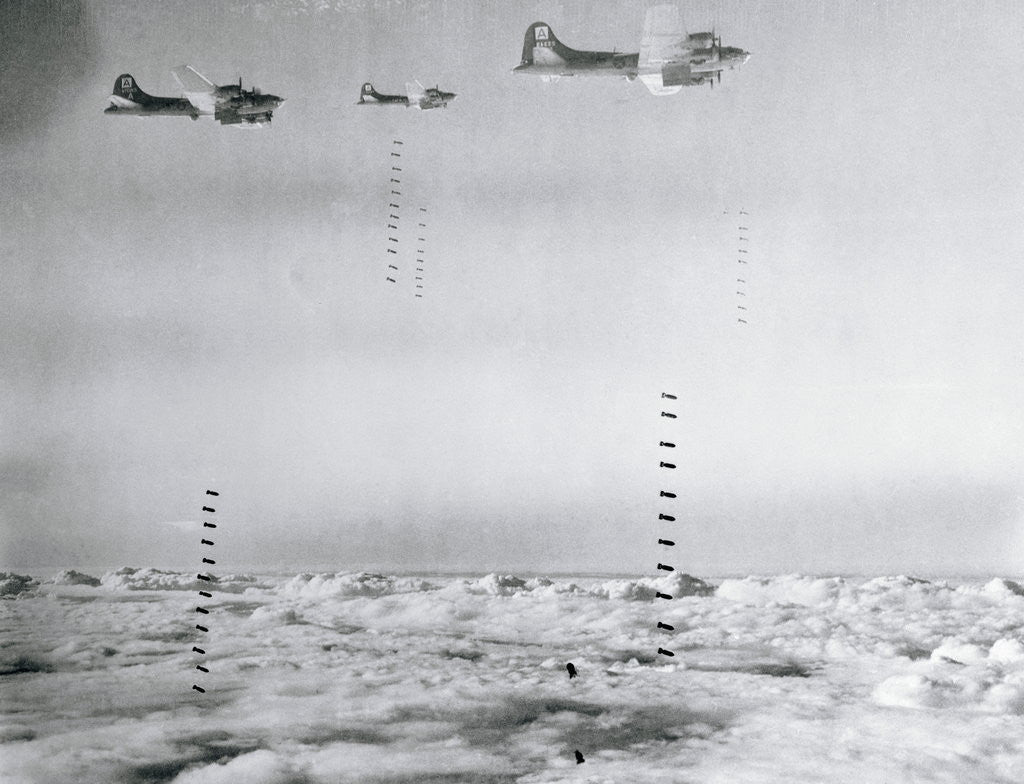
With the entry of the United States into the war, the balance of power was disrupted.
Built in 12,677 units, the B17 bomber had a capacity of 2724 kg of bombs.
The B29, manufactured in 3,970 examples from 1943 to 1946, had a capacity of 9 to 10 tons.
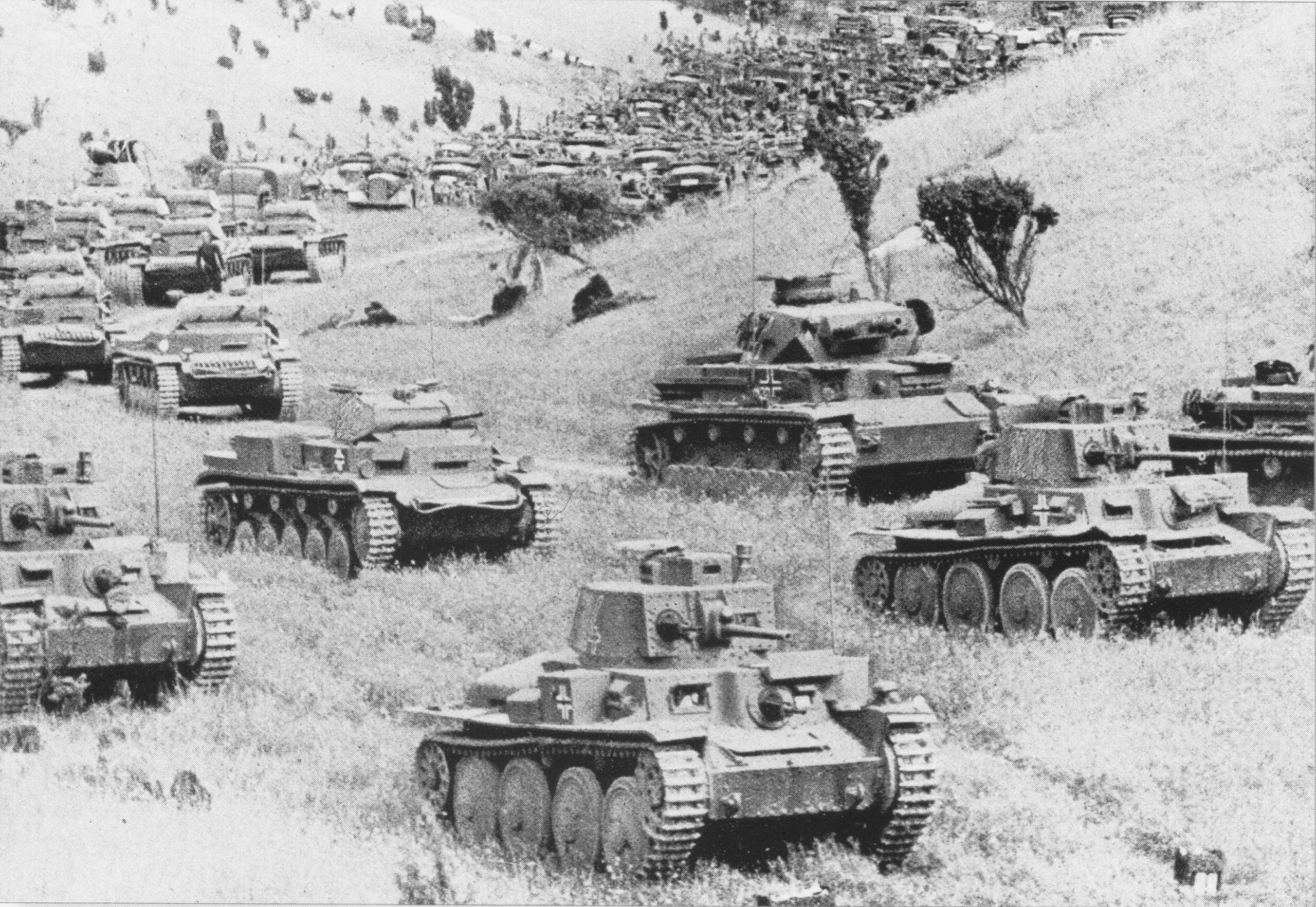
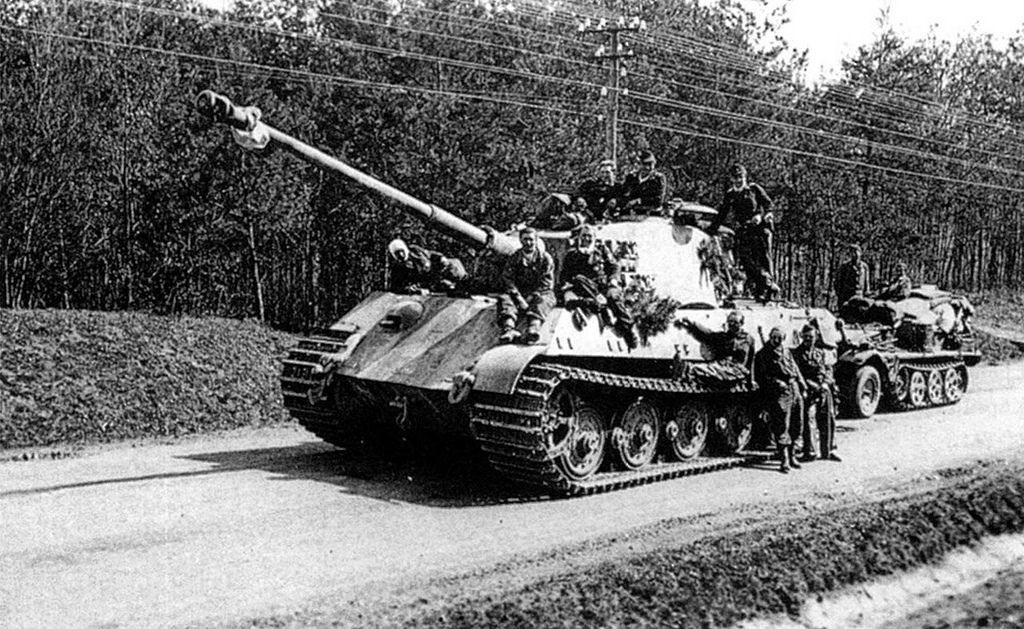
Tanks also benefited from many advances: the Panzer II of 1935 weighed 7.2 tons, its armor was 10mm. It was armed with a 2cm cannon. The Tiger II in 1944 weighed 69 tons with armor from 110mm to 200mm. It was armed with an 88mm gun.
By comparison, the U.S. Army will be equipped with Sherman tanks (27 tons, 75mm gun) and Pershing tanks (42 tons, 90mm gun).
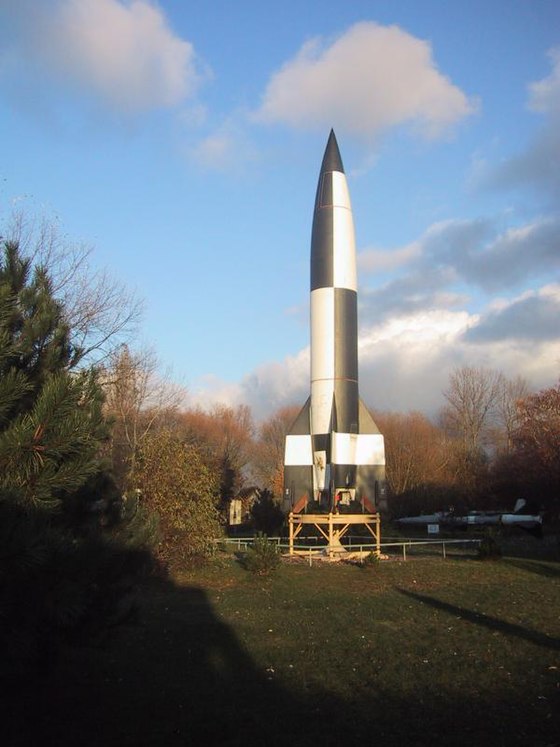
The V2 rocket produced from 1944 onwards can send an explosive charge from 800 km to 300 km. It foreshadowed the intercontinental rockets that would be developed by the nuclear powers.
Permanent fortifications?
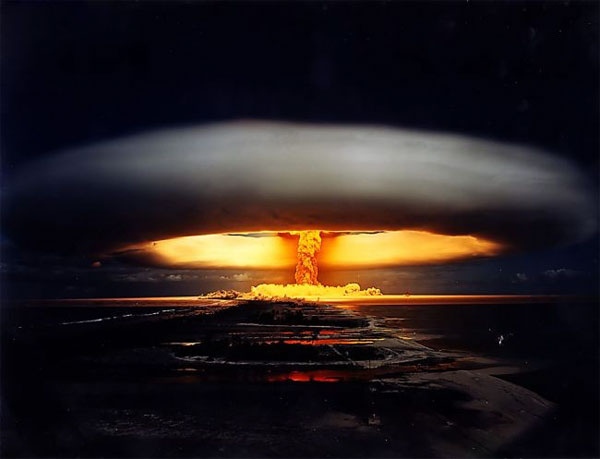
In the face of technical developments, the role that fortifications have played in history can no longer be assured. The France campaign of 1940 clearly demonstrated this and the absurd Atlantic Wall is another illustration. The dropping of atomic bombs on Hiroshima and Nagasaki and the rocket age definitively sealed the fate of the permanent fortifications.